

OpenAI Hits Code Red🚨, DeepSeek Goes Fully Open-Source😳, Nvidia’s 72-GPU Beast Drops⚡, Meta Locks In News Power Plays📰
The Weekly Cache edition: 1 Dec - 7 Dec 2025


🔥 AI Developments & Breakthroughs
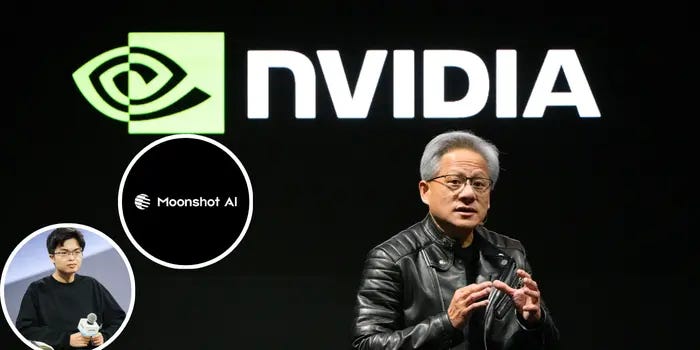
Nvidia’s monster server supercharges mixture‑of‑experts models: Nvidia revealed that its new GB200 NVL72 server, packing 72 GPUs with faster interconnects, can serve mixture‑of‑experts models like Moonshot’s Kimi K2 and DeepSeek roughly ten times faster than its previous platforms. These “moe” models split tasks among specialized experts, improving efficiency and reducing cost; OpenAI and Mistral have embraced the approach. By cramming more chips and bandwidth into each node, Nvidia hopes to dominate the shift from training to serving millions of users.
Ukraine trains its own large‑language model: Ukraine’s digital ministry and mobile operator Kyivstar are building a national large‑language model using Google’s open‑weight Gemma framework. It will train on Google hardware then move to local GPU farms, serving government and private apps while committees shape data and security to reduce reliance on foreign models.
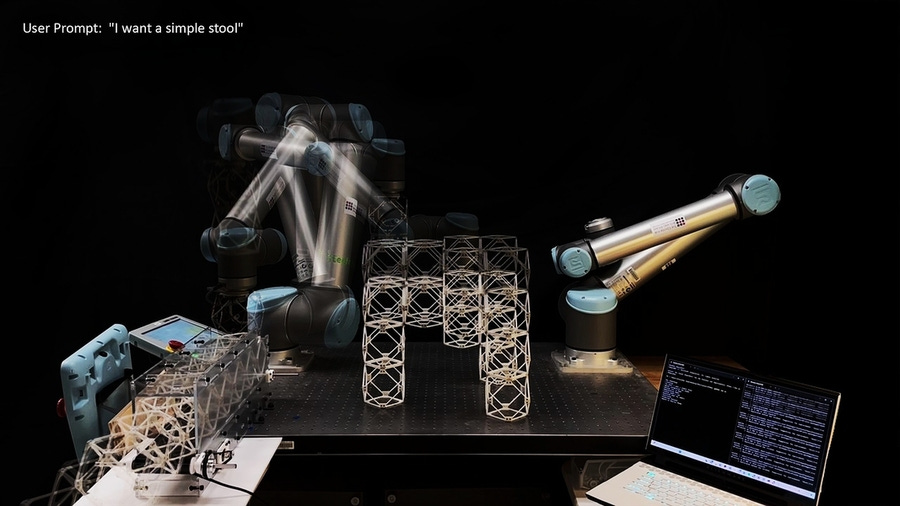
MIT turns speech into reality: Researchers at MIT’s Center for Bits and Atoms unveiled a “speech‑to‑reality” system that combines large language models, generative design and robotics. A user simply requests an object verbally—like a stool—and software generates a 3D structure that a robot arm then builds from timber in minutes. The technique aims to democratize design and manufacturing by reducing the gap between ideas and physical objects.
Robots unload trucks autonomously: MIT alumni‑run Pickle Robot Company developed warehouse robots that autonomously unload up to 50‑pound boxes from trailers and containers. The robots use generative AI and machine‑vision sensors to identify each box and the optimal way to move it. Already deployed by logistics giants like UPS and Yusen, the technology aims to ease labor shortages and reduce injuries.
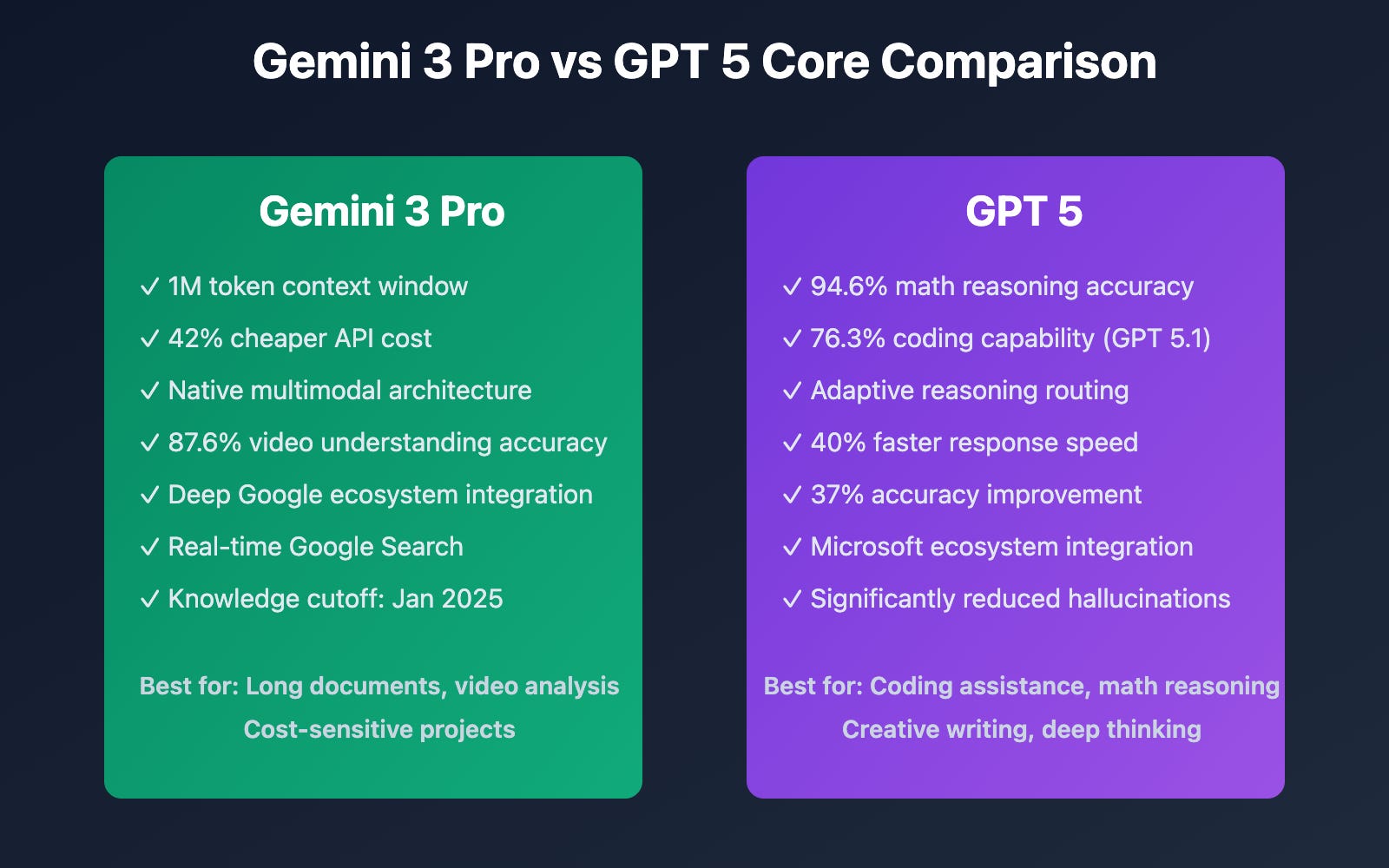
DeepSeek’s open‑source models match GPT‑5: Chinese AI lab DeepSeek released two open‑source models — V3.2 and V3.2‑Speciale — that it claims match or exceed OpenAI’s GPT‑5 and Google’s Gemini 3. The Speciale variant achieved gold‑medal scores at elite competitions like the 2025 International Mathematical Olympiad and the International Olympiad in Informatics, and both models are freely licensed under MIT. DeepSeek’s novel sparse‑attention architecture slashes inference costs by up to 70%, enabling 128k‑token context windows for a fraction of the price.
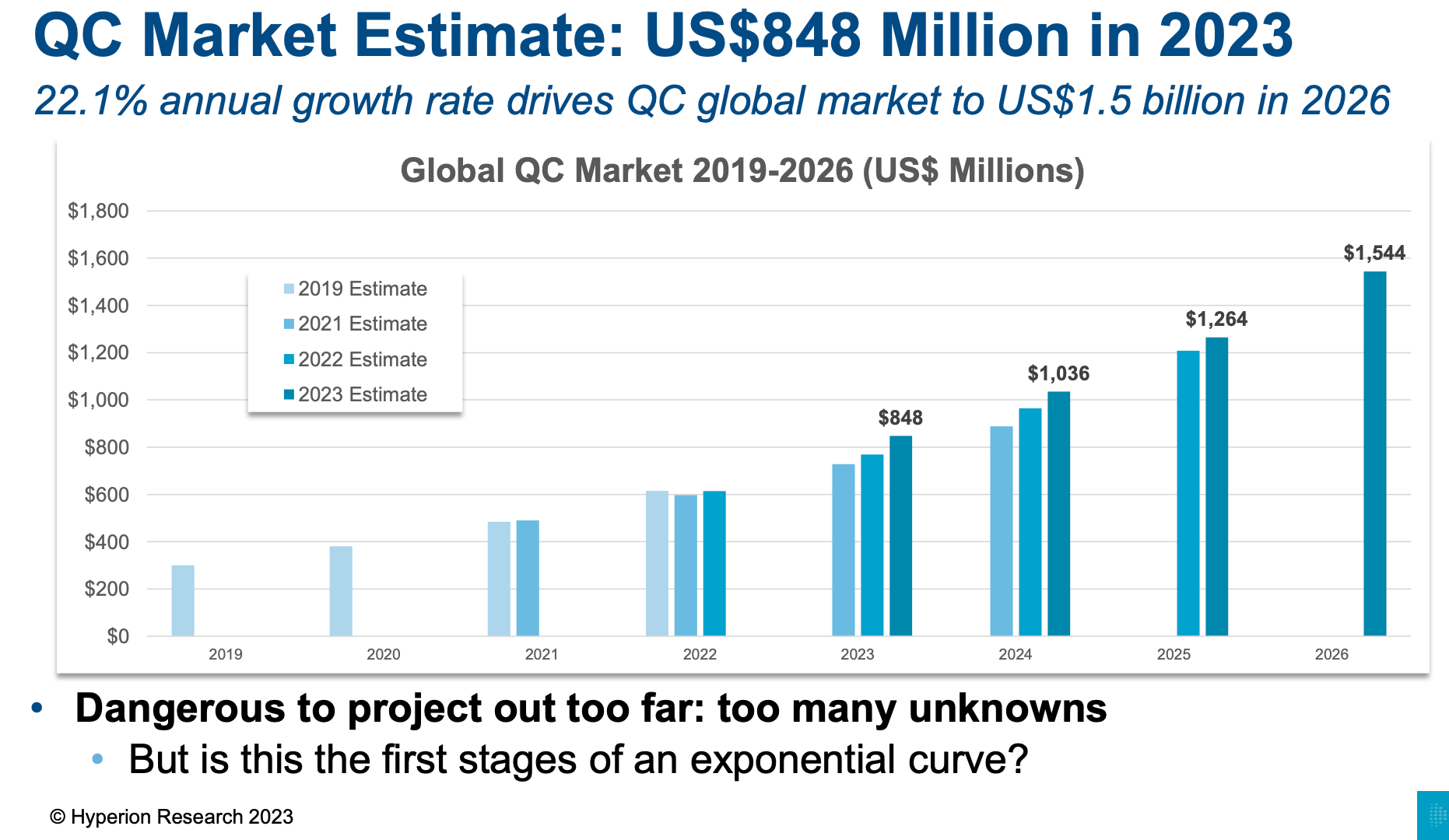
Quantum computing market doubles in three years: At the SC25 conference, Hyperion Research noted that the quantum‑computing market is expected to grow from about $1 billion in 2024 to $2.2 billion by 2027. Early sales—such as D‑Wave’s $23 million Advantage2 annealing system and QuEra’s neutral‑atom system delivered to Japan’s AIST—show real demand.
💼 Tech & Corporate News
Meta signs news deals for its AI assistant: Meta signed agreements with CNN, Fox News, Le Monde, USA Today and other publishers to feed real‑time articles into its Meta AI chatbot. Responses will link back to newsrooms and help Meta revive its strained publisher relationships as it competes with other assistants.
OpenAI buys Neptune.ai to improve model tracking: OpenAI agreed to acquire Neptune.ai, a platform that monitors GPT‑style model training, for under $400 million. Neptune’s clients include Samsung and HP, and OpenAI’s CFO said the purchase doesn’t signal an imminent IPO despite the company’s sky‑high valuation.
SoftBank eyes DigitalBridge for AI infrastructure: SoftBank is negotiating to buy DigitalBridge, which owns data‑center operators like Vantage and Zayo. The move comes as investors pour into AI infrastructure and McKinsey expects spending on data centers, fibre and towers to reach $6.7 trillion by 2030.
OpenAI declares ‘code red’ to fix ChatGPT: OpenAI CEO Sam Altman told employees he was declaring a “code red” to focus resources on improving ChatGPT’s speed and reliability, delaying initiatives like advertising, shopping agents and the Pulse assistant. The memo, reported by The Information and other outlets, warns that Google’s new Gemini 3 model is gaining ground and calls on staff to improve personalization and day‑to‑day user experience; Altman said a stronger reasoning model would arrive soon.
Apple’s AI leadership shake‑up: Apple’s AI chief John Giannandrea will retire in spring 2026 and become an adviser, while the company hires Amar Subramanya—formerly of Microsoft and Google—to lead its AI research. Under Craig Federighi’s oversight, Apple plans to accelerate development of foundation models and launch a more personal Siri next year.
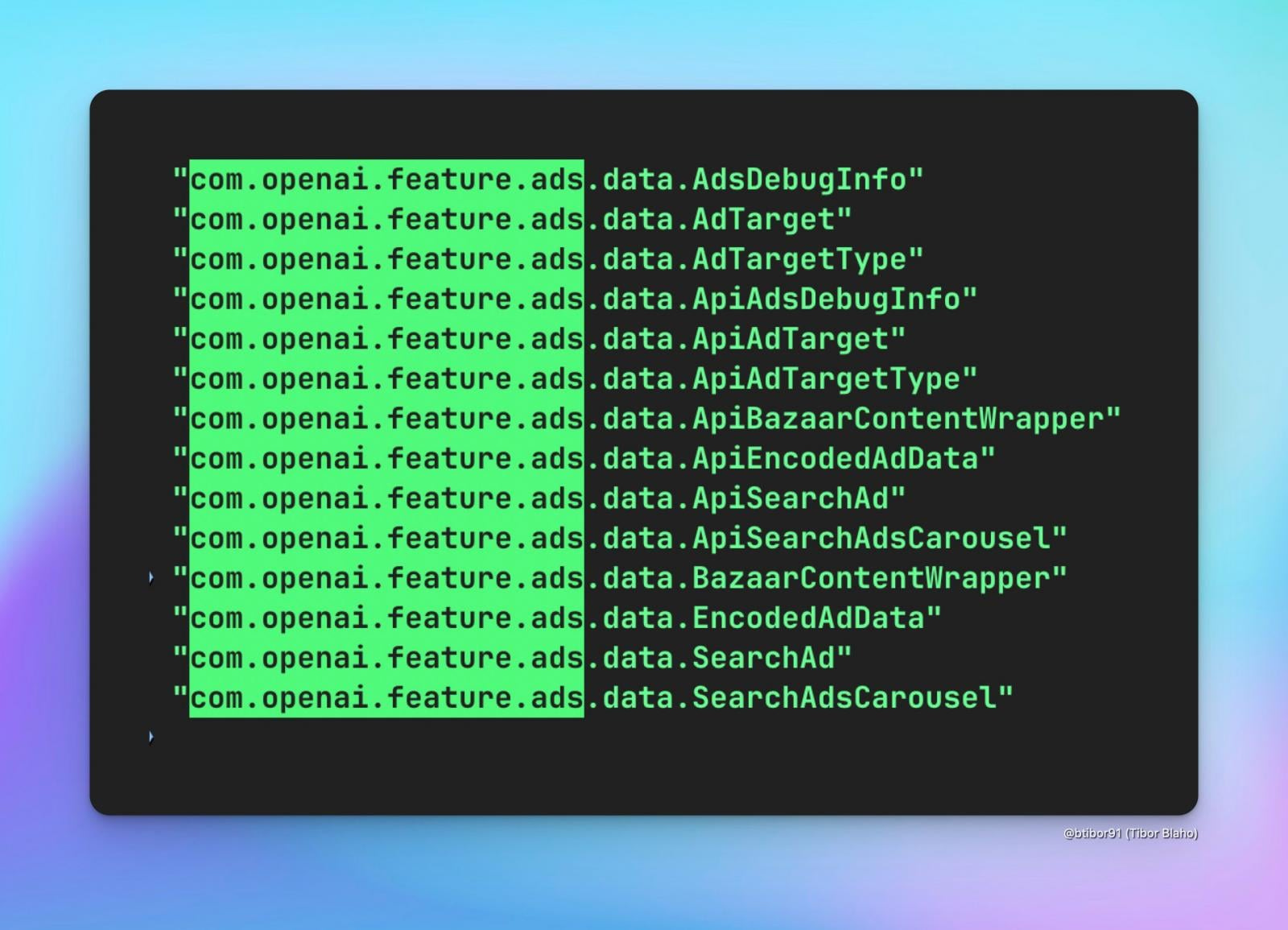
Android beta leak hints at ChatGPT ads: Code in the ChatGPT Android beta (version 1.2025.329) includes strings such as “search ad,” “search ads carousel” and “bazaar content,” signaling that OpenAI is building an advertising module. Analysts say the ads would initially appear alongside search results and could leverage ChatGPT’s massive user base for personalised promotions.
📈 Macroeconomic & Technology Trends
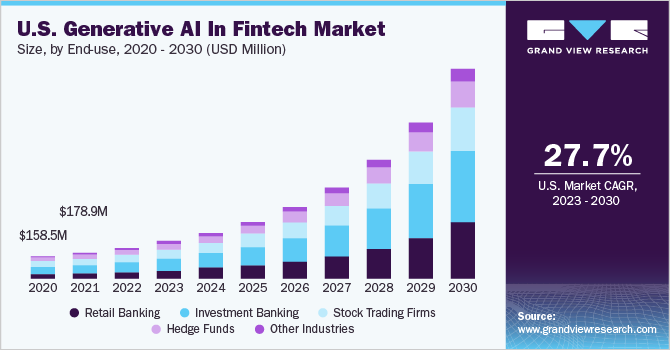
Flex raises funds to bundle finance and AI: AI‑fintech startup Flex raised $60 million at a $500 million valuation to expand its suite of finance tools for mid‑sized businesses. The platform bundles private credit, payments and personal finance, and an MIT study finds only about 5% of AI projects in finance move beyond pilots.
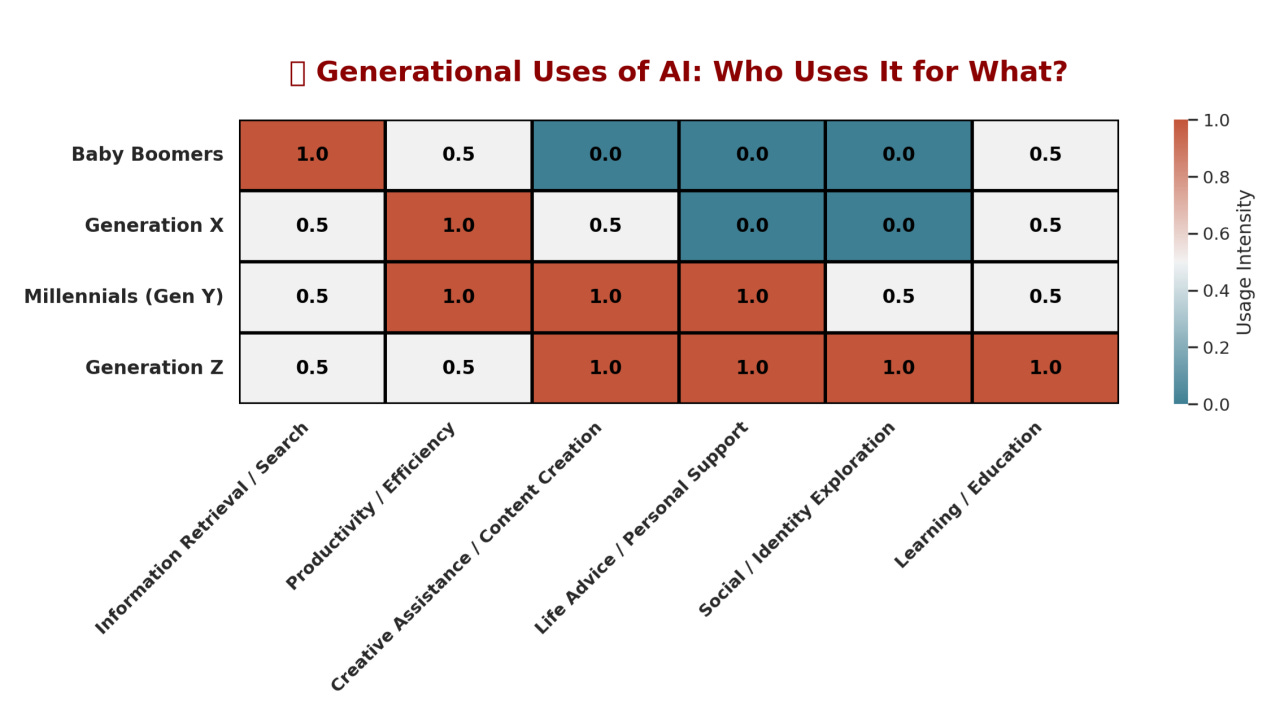
Generational divide in AI adoption: Google Workspace VP Yulie Kwon Kim told Fortune that Gen Z workers see AI as native to their workflows and 90% of rising leaders want personalised tools. The survey also found non‑native English speakers rely on AI to write professional emails, underscoring generational differences shaping product design.
U.S. HHS releases its AI strategy: The U.S. Department of Health and Human Services released a five‑pillar AI strategy covering governance, infrastructure, workforce, reproducible research and modernising care. Deputy Secretary Jim O’Neill said AI could improve outcomes across agencies and called for private‑sector collaboration.
⚖️ Strategic AI Commentary
New York Times sues Perplexity AI: The New York Times filed a lawsuit against Perplexity AI, alleging the startup copied millions of articles, including paywalled content. The Times seeks damages and other publishers have similar suits, while Perplexity—valued at around $20 billion—denies scraping.
EU AI Act enforcement looms
Under the EU’s AI Act, general provisions began in February 2025 and rules for general‑purpose models in August 2025. High‑risk AI systems must comply by 2 August 2026, when member states must have regulatory sandboxes and enforcement frameworks in place.
📍 Thanks for reading this week’s edition! Subscribe for free to receive our weekly news digest directly in your feed.
💡 If you’ve been enjoying these builds as a subscriber, consider pledging? It helps us keep experimenting and sharing our learnings.

‘The Weekly Cache’ is a news digest edition of our existing Cash & Cache newsletter, where we unravel AI breakthroughs and real-world applications with a publication every Monday/Tuesday.
🤖 This week in our topical Cash & Cache publication:

🗞️ Last week in The Weekly Cache news digest:


Greetings for the season to all readers from Cash & Cache! 🎁❄️
🤝 We’re always open to thoughtful collaborations and fresh ideas around AI and business innovation. If that’s your space, let’s connect.
Great roundup! Intrigued by the Meta news deals.
Which of these threads do you expect to have the biggest influence on how organisations plan their AI investment in 2026?