

How to Get Mentioned and Cited by LLMs
The Complete Framework for Earning AI Citations and Building Authority in ChatGPT, Gemini, and Perplexity.


🧭 When Machines Become Your Audience
In 2025, over 900 million people use AI to find answers. That’s not a trend—it’s a tectonic shift in how information gets discovered.
But here’s what most creators miss: ranking on Google and being cited by AI are two completely different games.
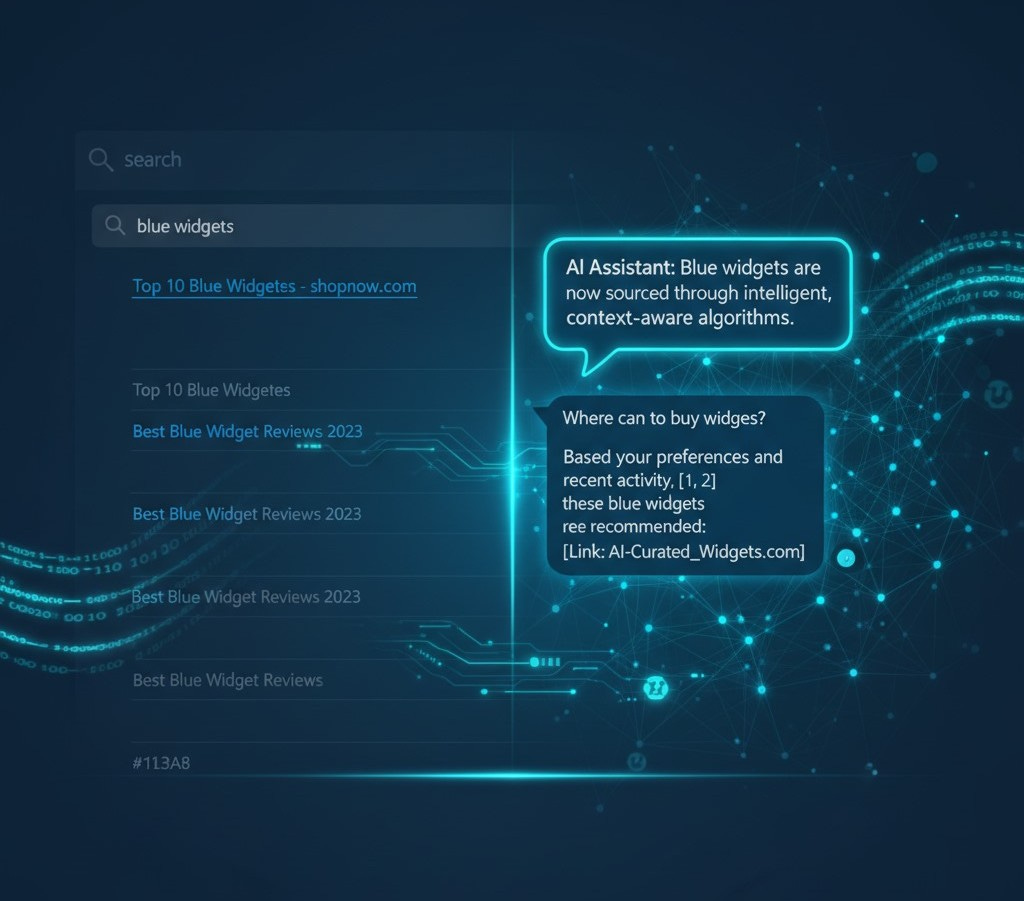
You can dominate search results and still be invisible to ChatGPT. You can have authority in your niche and watch competitors get quoted by Claude instead. Even if your page ranks high on Google, it doesn’t mean AI models will cite it. Ranking gets you visibility in search. But citations give you authority inside AI systems. The rules have changed, and most of us are still playing by the old playbook.
That’s why we brought in
, the strategic mind behind AI Marketing Playbook, to decode something that’s baffled marketers, founders, and creators alike:💭 How do you make AI models trust your content enough to cite it?

What follows isn’t just theory. It’s a framework Aisha has tested, refined, and used to help brands get mentioned by the very systems that are reshaping digital visibility. She breaks down the exact signals LLMs look for, the content formats they favor, and the monitoring systems that show you when it’s working.
If you’ve been creating content for humans but wondering why AI doesn’t seem to “see” you, this is your roadmap.
Over to you, Aisha!
📍 Understanding How LLMs Source and Cite Content
If you want your brand or website to show up in AI answers, you first need to understand how Large Language Models (LLMs) like ChatGPT, Gemini, and Perplexity find and credit information.
Think of them as super-readers. They don’t create ideas from scratch, they learn by reading billions of web pages, reports, and articles. What they say depends on what they’ve read and how your content appears to them.
Some key insights you should know before we proceed further:
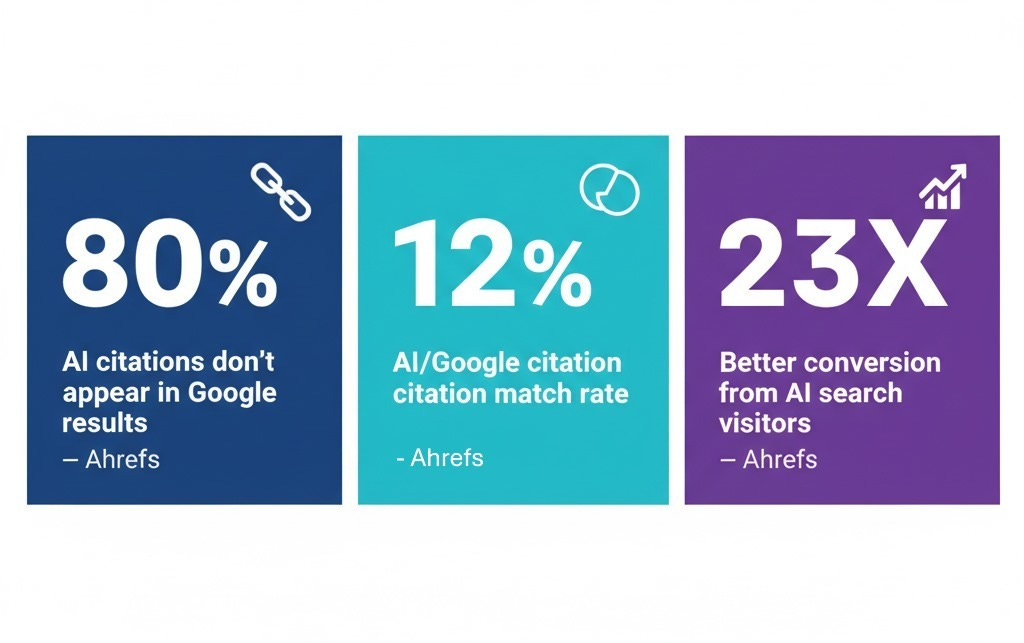
80% of AI-cited sources don’t appear in Google’s traditional results. - Ahref
Only 12% of AI citations match Google’s top 10 organic results. - Ahref
AI search visitors convert 23x better than traditional organic search visitors -Ahref
Citation vs Mention: What’s the Difference?
A citation is when the AI attributes information to your content and includes a link to your site.
A mention is when your brand or product name shows up in an AI-generated answer but without a clickable link.
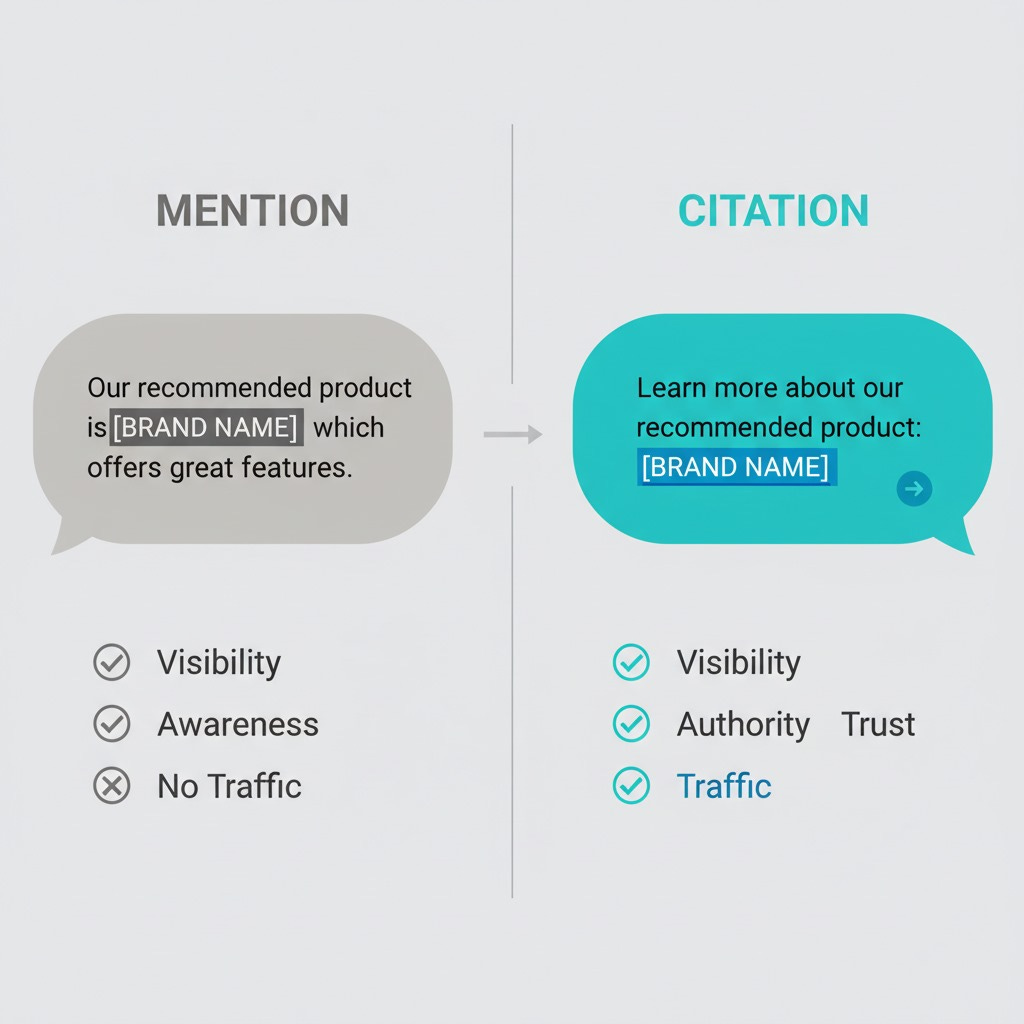
Both matter. Citations bring traffic and visibility. Mentions build credibility and awareness.
Sometimes, you’ll get lucky. Your brand gets mentioned in the answer and linked in the citations list. This combination is gold. It gives your brand the best of both worlds: visibility through the mention and trust plus traffic through the citation.
Where LLMs Pull Their Data From?
LLMs learn from a mix of sources:
Public websites that are crawlable (no login required).
Research papers, open databases, and government reports.
High-authority blogs, news outlets, and review sites.
If your content is structured clearly, factual, and frequently updated, AI systems are more likely to find and reuse it.
Here are some quick insights on how each AI model get its citations sources:
ChatGPT Citation Sources (from Profound’s 680M citation study):
Wikipedia: 7.8% of all citations
Reddit: 1.8%
Forbes: 1.1%
News outlets (Reuters, Apple News): 2.6-4%
Pattern: Authoritative knowledge preference
Google AI Overviews Citation Sources:
Reddit: 2.2%
YouTube: 1.9%
Quora: 1.5%
LinkedIn: 1.3%
Pattern: Balanced social-professional mix, 3.4% more likely to cite Reddit than expected
Perplexity Citation Sources:
Reddit: 6.6%
YouTube: 2.0%
Gartner: 1.0%
Pattern: Community-driven information preference
Context Is Everything
AIs don’t just grab random sentences. They look for precise, well-explained answers that match a user’s question.
When your article clearly explains the “how,” “why,” and “what,” the AI recognizes it as a reliable and quotable source.
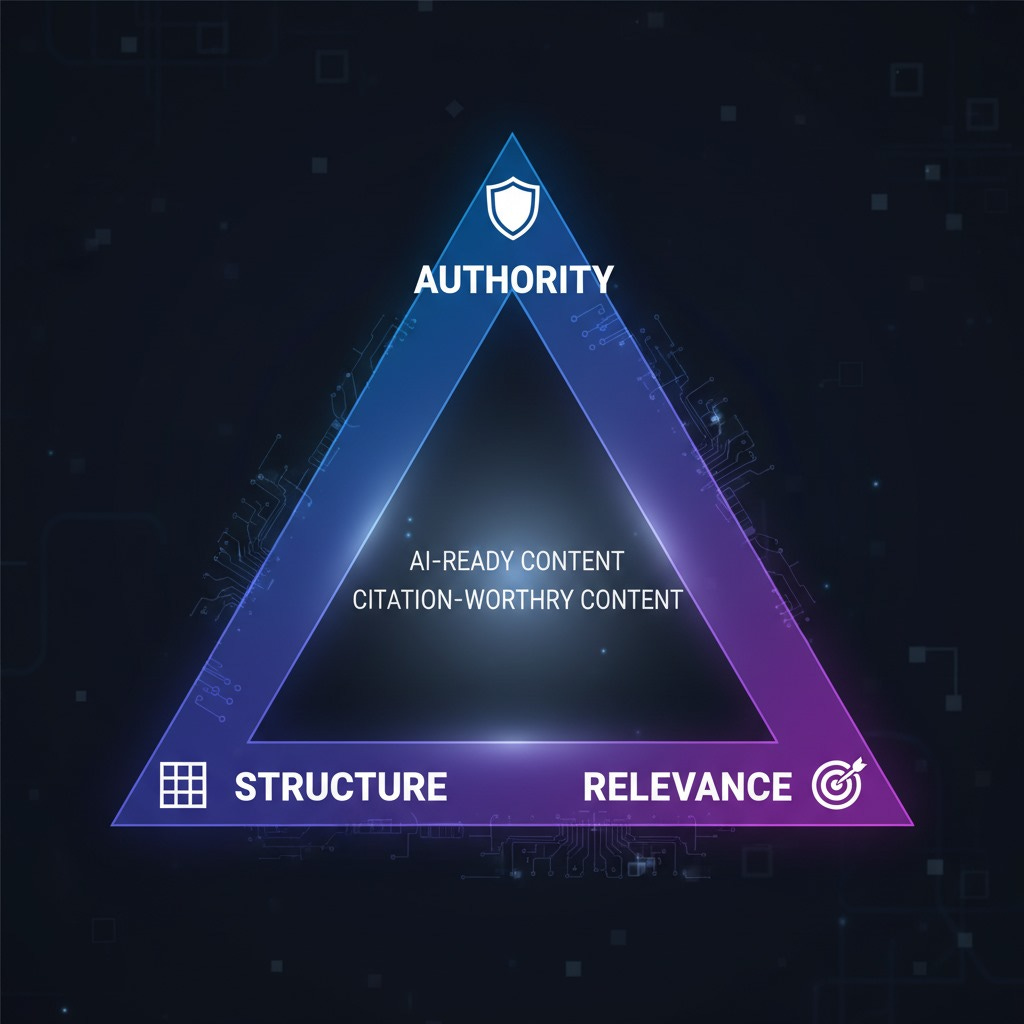
🔺 The LLM Citation Triangle: Authority × Structure × Relevance
Getting cited by AI models isn’t random. It happens when your content checks three boxes: Authority, Structure, and Relevance.
Think of these as the three sides of a triangle. When all three are balanced, your content becomes easier for LLMs to read, understand, and trust
1. Authority” Build Credibility That AIs Can Trust
Authority tells AIs your content comes from a credible and reliable source. LLMs look for signals that show real expertise, transparency, and originality.
What to do:
Use a real author name and link to their credentials or professional page.
Add data, stats, or research that proves your point.
Publish original insights, studies, or surveys that no one else has.
Keep your articles updated regularly to show freshness.
Pro Tips:
Add a “last updated” date. According to Ahrefs’ analysis of 56 million AI Overviews, freshness signals increase citation probability by 25.7%
Include expert quotes or case studies to boost trust signals.
Use data-driven insights, user reviews, and social discussions (insights from online communities) when writing your content.
When AIs detect expertise and transparency, they view your site as a trustworthy source worth citing.
(Here we can embed the note I shared about LLM content)
2. Structure: Make It Easy for AIs to Read and Extract
Even high-quality content can go unnoticed if it’s not easy to read or extract. LLMs don’t “guess” meaning, they rely on clear formatting to understand and reuse your content accurately.
What to do:
Use a proper heading hierarchy (H1, H2, H3) for logical flow.
Write short, clear paragraphs with bullet points or numbered lists.
Add tables, FAQs, or comparison sections to help AI models extract answers quickly.
Use schema markup (like Article, FAQ, or Organization) to make content machine-readable.
Tips:
Avoid large text blocks. Keep sections under 3–4 lines for readability.
Repeat your main terms naturally in subheadings to reinforce topic clarity.
Use consistent layouts across similar articles. It helps AIs recognize patterns.
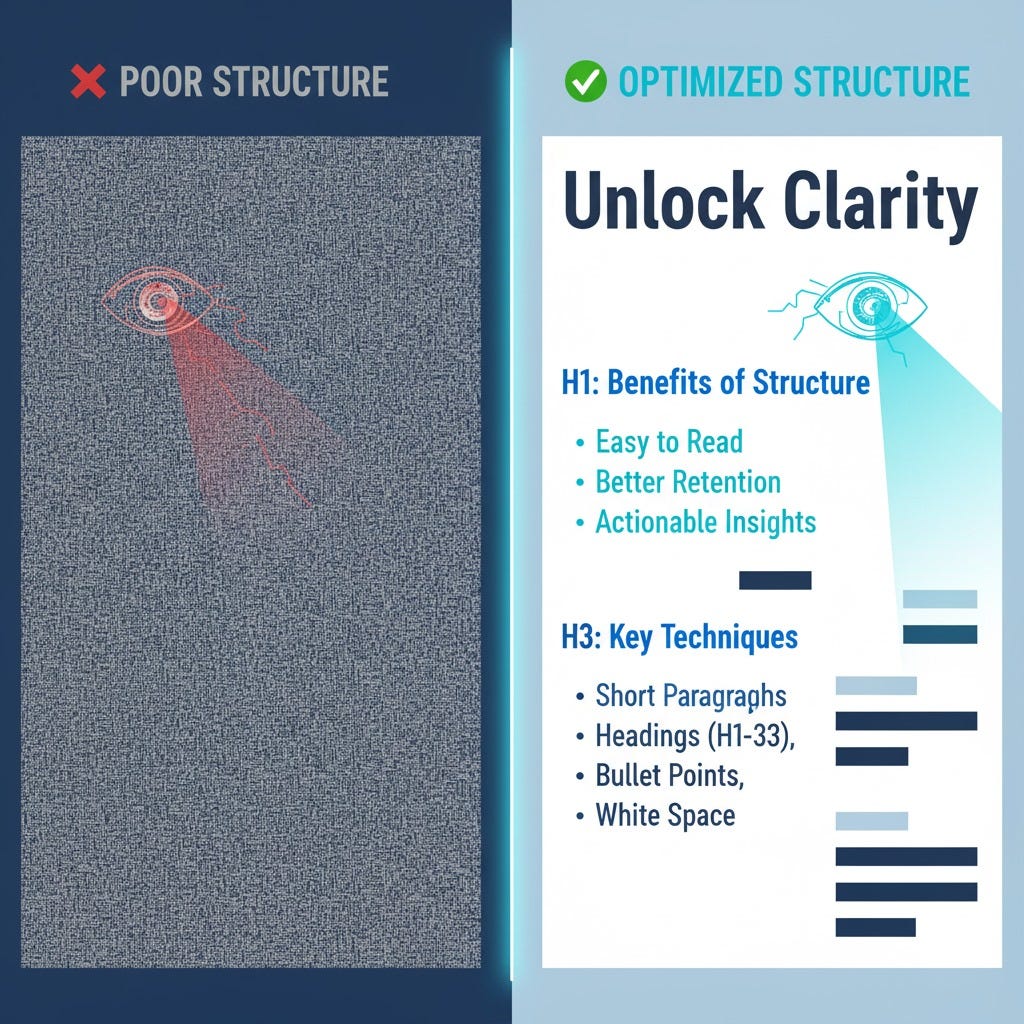
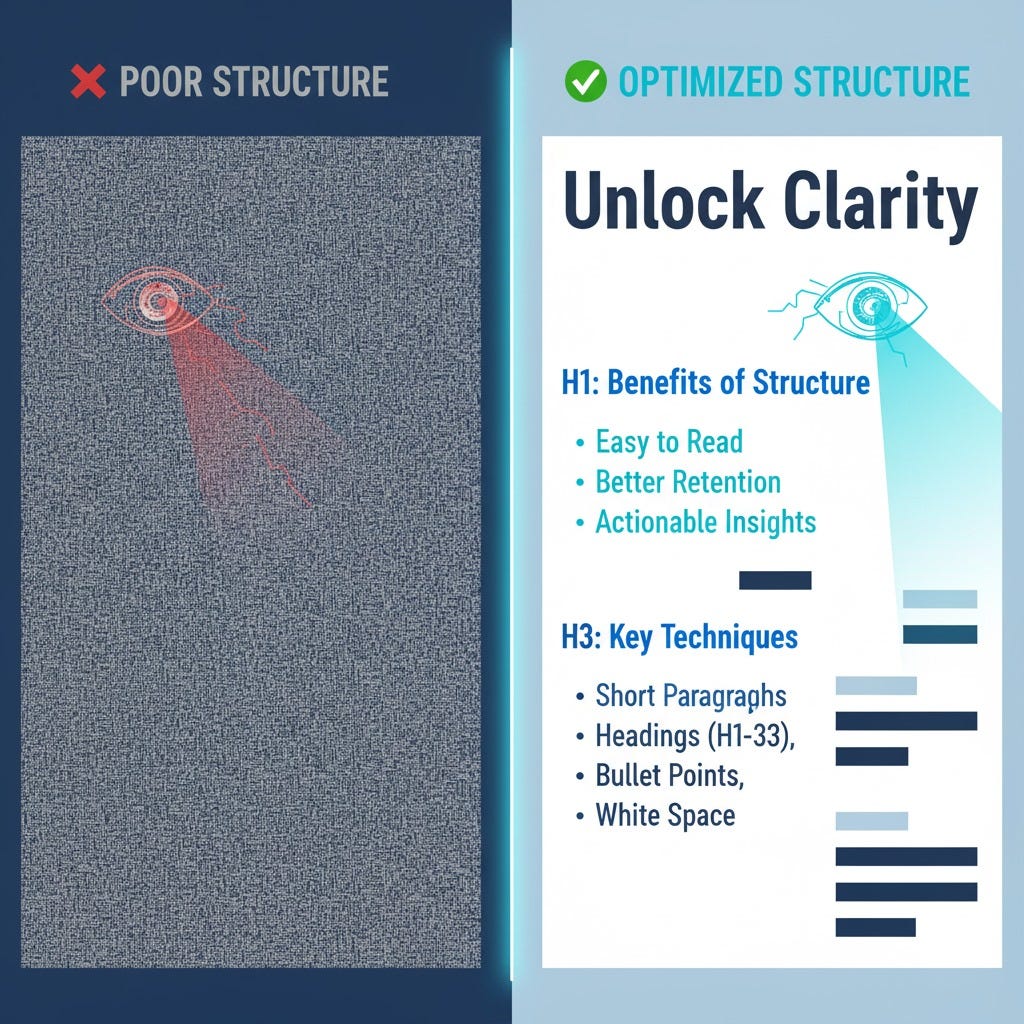
Structured content isn’t just easier for readers, it’s easier for AIs to “see” and cite.
3. Relevance: Write Content That Matches What AI Needs
Relevance means your content directly answers questions and aligns with user intent. LLMs are trained to prioritize clear, specific, and focused information that satisfies what people search for.
What to do:
Focus each article on one clear intent or theme, don’t blend multiple topics.
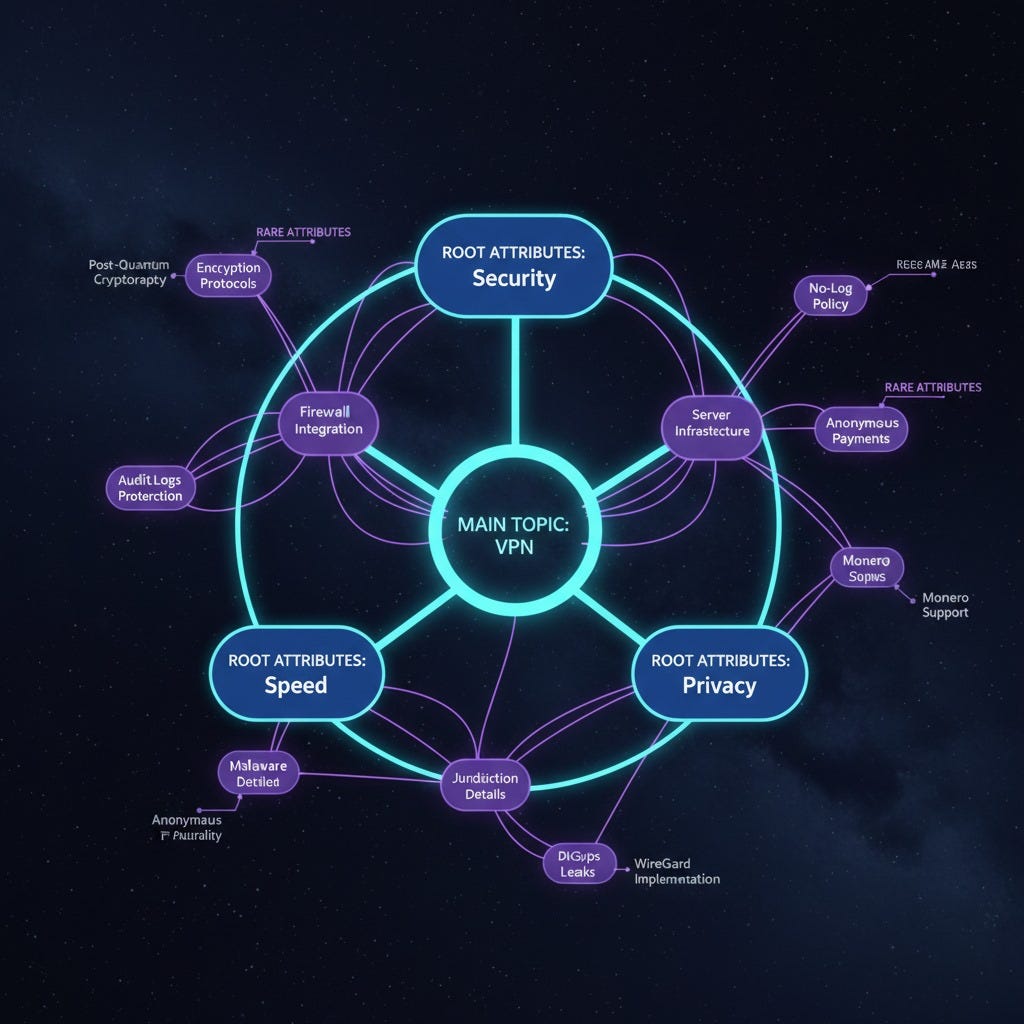
Build semantic relationships by naturally connecting related terms, concepts, and entities.
Add root attributes, the main concept your topic centers around.
Include rare attributes, specific, less-discussed aspects that add depth and uniqueness.
Keep examples fresh, factual, and relevant to the main query.
Tips:
Before writing, think: “Would this answer a user’s question clearly?”
Refresh old blogs with the latest stats, trends, and context.
Add concise “how” or “why” explanations. AIs love well-framed reasoning.
If you are adding keywords for ranking, add them naturally. Don’t stuff.
When your content is relevant, AIs see it as a perfect match for user intent, increasing your chances of being mentioned or linked.
Bringing It All Together
When Authority, Structure, and Relevance come together, your content becomes both human-friendly and AI-readable.
Quick Recap:
Authority: Show expertise, originality, and credibility.
Structure: Make content easy to read and extract.
Relevance: Build semantic depth with root and rare attributes.
Do this consistently, and your content won’t just rank; it’ll become visible, quotable, and trustworthy by LLMs as well as your readers.
📝 The Best Content Formats for LLM Mentions and Citations
Large Language Models like ChatGPT and Perplexity aren’t guessing which content to show; they rely on structured, verifiable data.
In fact, AI systems prioritize pages that combine factual reliability with clear formatting and topical authority.
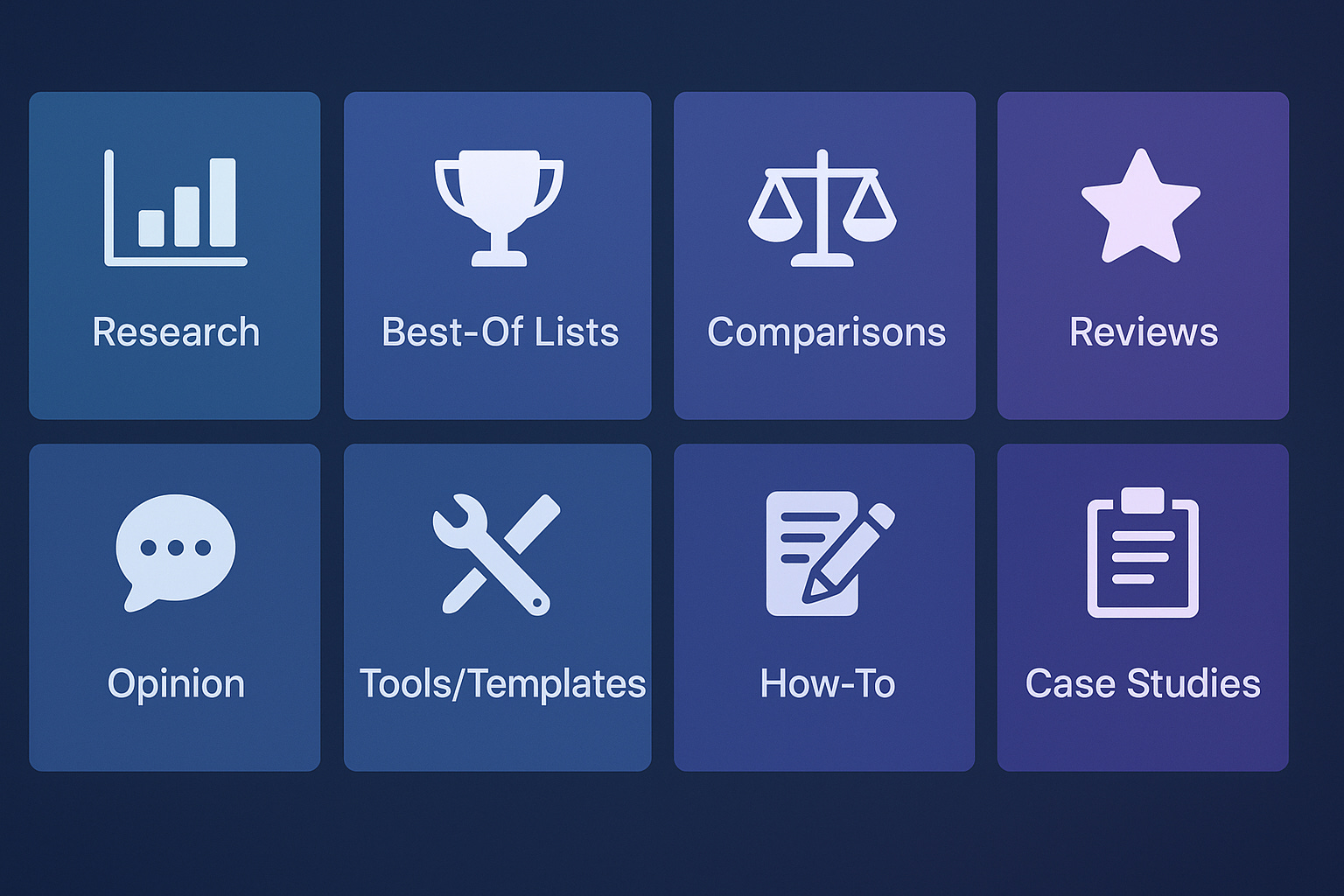
Below are 10 proven content formats that consistently get cited by LLMs, based on content visibility research and real-world citation patterns observed across AI search tools.
1. Original Research and Data Studies
AIs trust what they can verify. If you publish original surveys, datasets, or reports, you become a primary source of truth.
Why it works:
Establishes your brand as a unique authority.
Gives AIs fresh, factual data to quote and train on.
Attracts backlinks and organic media mentions.
Example:
Statista’s “Digital Trends 2025” and VPNRanks’ Global VPN Usage Report are commonly referenced because they present verified, structured data.
💡 Author Tip:
Even a small dataset can set you apart. What matters is originality and structure, not sample size.
2. “Best Of” Lists
“Top” or “Best” posts help AIs compare options quickly. These lists present entities, rankings, and attributes in a structured way that’s easy to process.
Why it works:
Offers clear hierarchy and classification.
Fits how users and AIs evaluate choices.
Performs well for entity extraction and snippet creation.
Example:
“10 Best VPNs for Streaming in 2025” or “Top AI Tools for Content Writers” often show up in AI summaries because they deliver clear, comparative data.
💡 Author Tip:
Giving each item a “best” rating that matches search behavior. It also helps LLMs connect entities to attributes.
3. Comparison Blogs
AI models love balance. When you compare two or more options, you help them understand differences and trade-offs. key components of contextual reasoning.
Why it works:
Covers multiple related entities for semantic learning.
Encourages LLMs to quote specific attributes or verdicts.
Builds topical authority on product or concept analysis.
Example:
“ChatGPT vs Gemini: Which Model Gives More Accurate Answers?” or “ExpressVPN vs NordVPN: Which Is Faster in 2025?”
💡 Author Tip:
Add a final verdict summary, it signals conclusion and clarity to AI crawlers.
Give your rating to each feature. LLMs love data and numbers!
4. First-Person Product Reviews
Authenticity stands out in a web full of generic content. Reviews based on firsthand experience show real-world authority and build trust with both readers and models.
Why it works:
Demonstrates expertise through practical use.
Adds emotion and authenticity, signals of credibility.
Helps AIs recognize “verified experience” content.
Example:
“I Used Surfshark for 30 Days — Here’s What Actually Happened.”
💡 Author Tip:
Use first-person phrases like “I tested,” “I found,” or “My results.” AIs pick up these linguistic signals as evidence of experience.
5. FAQ-Style Content
Questions and answers are the core format of AI dialogue. FAQs mirror how AIs think; short, specific questions followed by concise answers.
Why it works:
Matches the Q&A structure of conversational AI.
Makes your content snippet-ready.
Improves entity-question linking.
Example:
“Does using a VPN slow down your internet speed?” or “Which VPNs work best for Netflix?”
💡 Author Tip:
Use conversational tone in questions. AIs understand phrasing patterns that match user intent.
6. Opinion-Led Articles
LLMs appreciate expert perspective when it’s reasoned, not random. Thoughtful opinion adds interpretation, something machines can’t generate alone.
Why it works:
Builds personality and thought leadership.
Shows human reasoning and subject depth.
Adds authority through differentiated viewpoints.
Example:
“Why Data Privacy Will Be the New Luxury in 2026.”
💡 Author Tip:
Support every opinion with data or examples, it turns a viewpoint into a credible resource.
7. Tools, Templates, and Frameworks
AIs reward usefulness. Resources like tools or frameworks offer direct, actionable value — exactly what models seek to recommend.
Why it works:
Adds practical value for users.
Encourages backlinks from resource pages.
Becomes a reference point for AI recommendations.
Example:
“Free VPN Comparison Template (Updated 2025)” or “AI Prompt Framework for Marketing Teams.”
💡 Author Tip:
Even a simple Google Sheet or downloadable checklist can position you as a resource creator, not just a writer.
8. How-To Guides and Step-by-Step Tutorials
LLMs are built to teach. When you guide readers through a process step by step, you become an instructional authority.
Why it works:
Offers sequential logic, easy for AIs to follow.
Enhances semantic richness through related verbs (“set up,” “connect,” “configure”).
Builds trust through clarity and completeness.
Example:
“How to Install ExpressVPN on a Router in 5 Easy Steps.”
💡 Author Tip:
Use numbered steps. AIs detect this structure to generate concise “process summaries.”
9. Trend Reports and Industry Updates
Freshness equals visibility. AIs prefer up-to-date insights that help them answer “what’s new” questions.
Why it works:
Boosts your site’s freshness signals.
Keeps you visible for evolving topics.
Ideal for recurring annual updates.
Example:
“Cybersecurity Predictions for 2025” or “AI Regulation Trends: What’s Changing This Year.”
💡 Author Tip:
Refresh trend posts quarterly. LLMs monitor timestamps and prioritize newer data.
📊 How to Monitor LLM Citations?
Keeping track of how and when your content or brand is cited by large language models (LLMs) is essential.
What to Monitor?
Mentions vs. citations: A mention happens when your brand name appears in an AI-generated answer. A citation is when your site or content is directly linked or used as a source.
Platform visibility: Check if your brand or content appears in AI tools like ChatGPT, Perplexity, Gemini, or others.
Prompt types: Monitor what kinds of user questions trigger your content to appear, such as “What is…”, “How to…”, or “Best… vs…”.
Competitor presence: Identify if competitors are being cited more frequently for similar topics. This helps reveal content gaps or opportunities to improve.
Content formats and pages: Track which of your pages get cited most often and note their formats, such as research studies, comparison posts, or how-to guides.
Traffic and engagement changes: See whether appearing in AI-generated responses increases visits to your site or overall brand visibility.
Sentiment and accuracy: Review how AIs describe your brand. Check for outdated, incorrect, or misleading details so you can update and correct them.
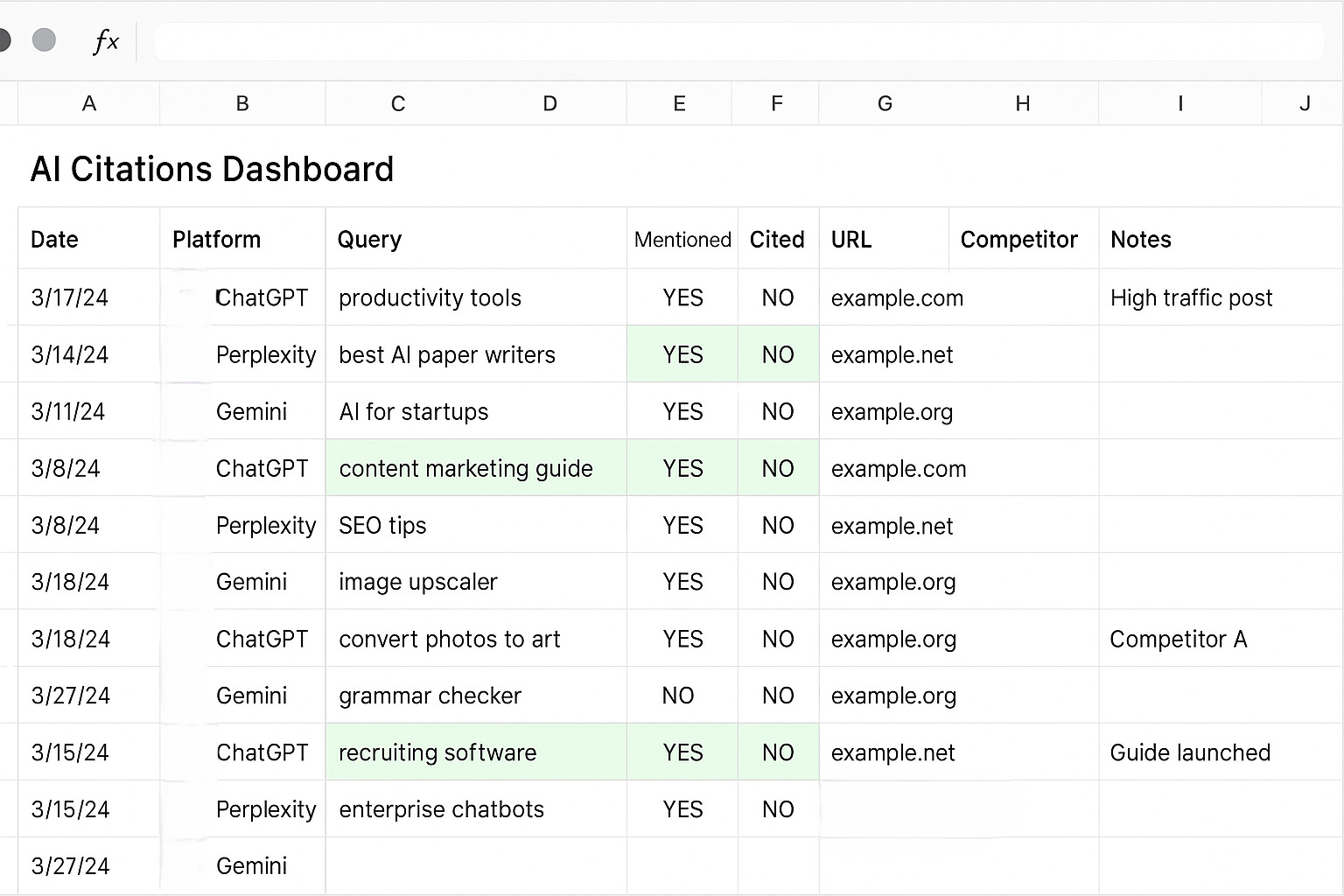
What to Do — Monitoring Setup
Start by setting up a consistent routine to check when and where your content appears in AI-generated answers. This helps you understand which of your pages are performing well and which need more authority signals.
Here’s what works best:
Use dedicated tools: Track AI mentions and citations with LLM visibility tools. These help identify when your site is referenced in ChatGPT, Perplexity, or Gemini answers.
Manually test AI platforms: Ask AI models direct questions related to your topic and see if they mention or cite your brand. This gives you firsthand insight into how AIs are interpreting your content.
What I personally do is check related searches on Perplexity to see if I’m being cited there. I also ask the three major AI models, ChatGPT, Claude, and Gemini, to share the top five user queries about my topic and then check if my brand is cited in those results.
Create a tracking sheet: Use a simple spreadsheet with columns like:
Date | Platform | Query | Mentioned (Y/N) | Cited (Y/N) | URL | Competitor | Notes.
Review it weekly or monthly to see citation trends.Audit and improve: If you find missed opportunities, like mentions without citations, strengthen those pages with clearer takeaways, updated stats, and schema markup.
Compare competitors: Search for the same prompts and note which brands are cited instead of yours. Study their content structure and see what makes it AI-friendly.
🎯 Earning Trust in the Age of Algorithmic Memory
Getting cited by large language models isn’t luck. It’s strategy.
Aisha’s framework doesn’t just explain how LLMs cite content—it reveals how digital authority is being redefined in real-time.
The old SEO playbook taught us to optimize for crawlers. The new one asks us to optimize for comprehension. It’s not about gaming algorithms anymore; it’s about making your expertise so clear, so structured, and so verifiable that AI systems can’t help but reference you.
They don’t just pull random answers. They trust clear, structured, and original content, the kind that has expertise, adds value, and keeps information fresh.
You’ve learned how to create citation-worthy pages, how to monitor when AIs use your work, and how to build authority through formats that models love to reference.
Start creating content that AIs learn from, not just read. Because in the era of generative search, getting cited is the new way to rank.

As we close, remember this: every time an LLM cites your work, it’s not just sending traffic your way. It’s encoding your authority into its knowledge graph. It’s teaching millions of future conversations that when someone asks about your domain, you’re the answer.
That’s not SEO. That’s digital permanence.
Want to dive deeper into AI-first marketing strategies? Check out Aisha’s newsletter, AI Marketing Playbook, where she breaks down emerging tactics for the generative web.
What’s one piece of your content you wish AI would cite more often? Drop it below—we’d love to see what you’re working on.
💡 If you’ve been enjoying these builds as a subscriber, consider pledging? It helps us keep experimenting and sharing our learnings.
🤝 We’re always open to thoughtful collaborations and fresh ideas around AI and business innovation. If that’s your space, let’s connect.
 | A guest post by
|
Thank you Sam! I'm so glad that you found it actionable. :)
Such a great and in-depth piece!
Content creators must realize that the SEO game has changed (and it's definitely not dead): now you need to optimize for both crawlers and chatbots. The old SEO playbook is still valuable, but it needs an upgrade for LLMs to stay ahead.